Why Silk Scarves Are Becoming Fashion’s New Collectibles
Silk scarves have moved far beyond their reputation as decorative accessories. In the last decade, they’ve evolved into a niche collectible category—sitting somewhere between fine art, fashion history, and investment asset. Collectors, interior designers, and fashion-led homeowners are quickly recognising that these pieces offer something unusually rare in today’s fashion landscape: craftsmanship, heritage, and long-term value wrapped into an object no bigger than a square of silk.
Below, we explore the factors driving this shift and why scarves are firmly establishing themselves as fashion’s new collectibles.
1. Artistry and Craftsmanship
At the top end of the market, the level of craftsmanship rivals that of fine art printmaking. Houses such as Hermès, Dior, Gucci, and Ferragamo work exclusively with high-grade mulberry silk, often requiring hundreds of cocoons to weave a single scarf.
The printing process is meticulous:
- Each colour in the design requires its own frame or screen.
- Complex pieces can demand 20–30 screens.
- The alignment and registration must be perfect, or the entire print is discarded.
This level of precision is increasingly rare in modern manufacturing. As mass-production accelerates, hand-finished processes like these stand out even more and collectors are paying attention.
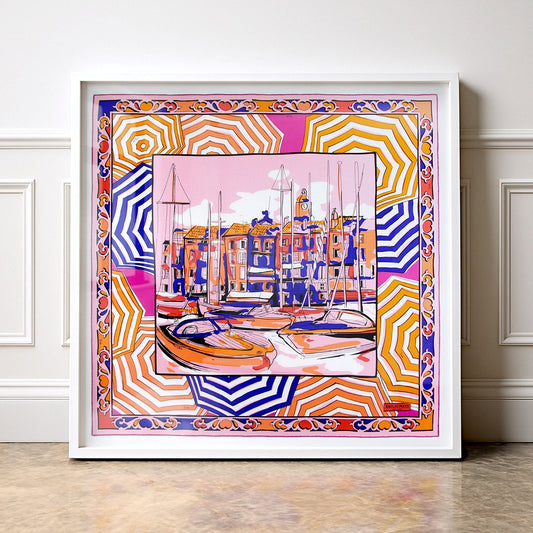
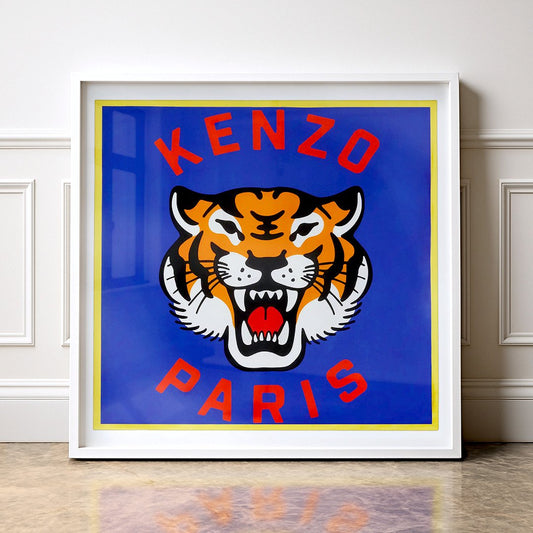
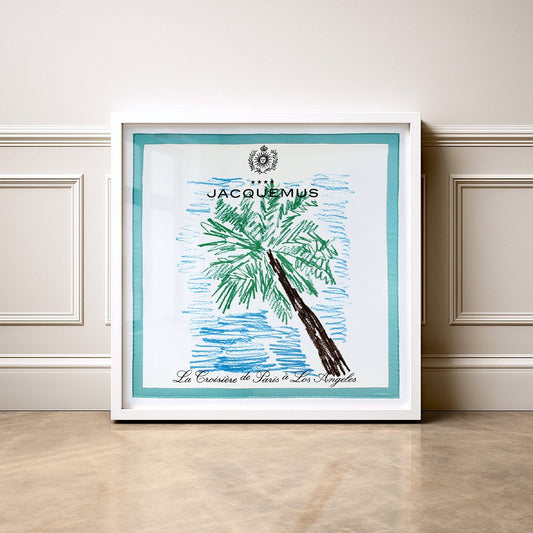
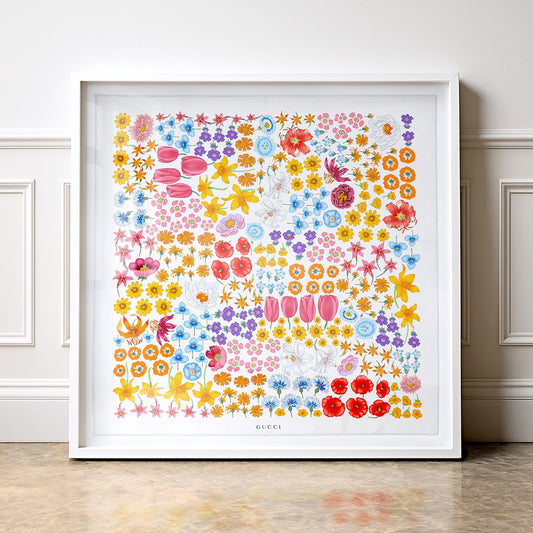
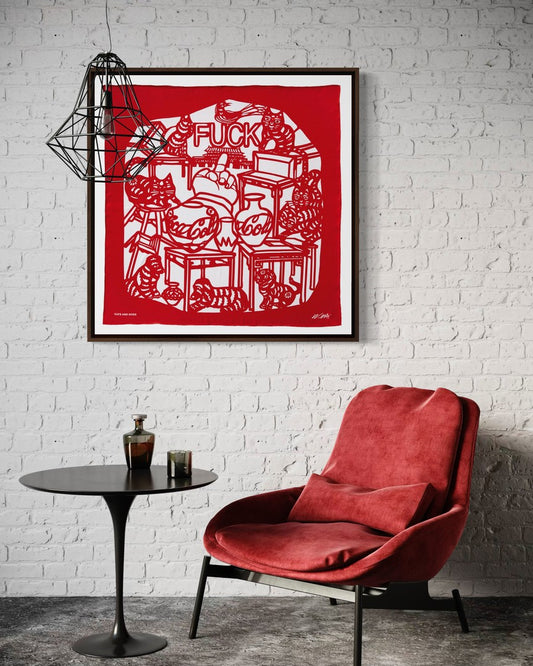
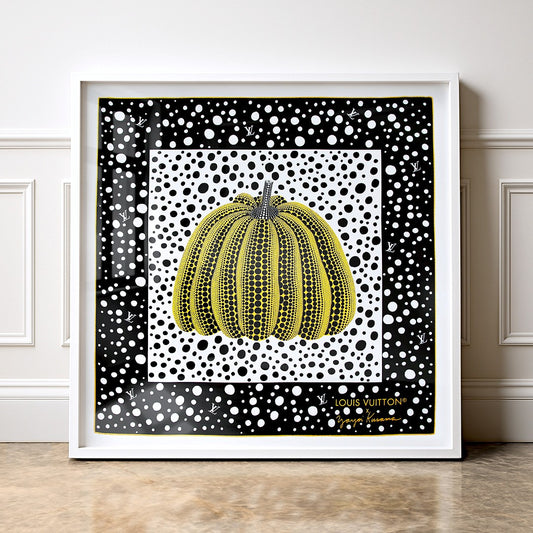
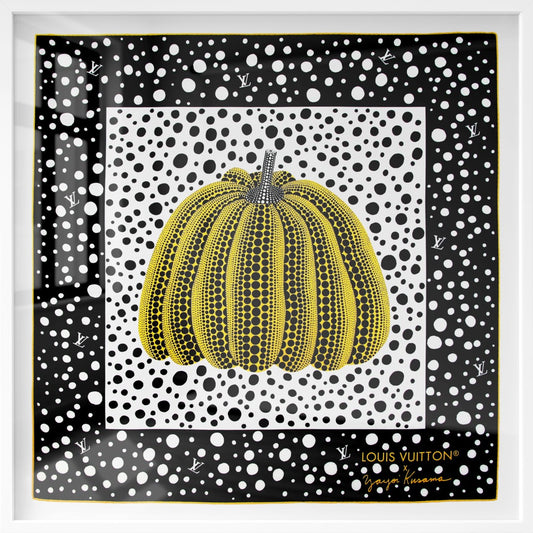
If you frame scarves for interiors, this craftsmanship becomes even more visible. Once mounted and glazed, the colours and line work take on the presence of a gallery print.

2. Heritage and Storytelling
Scarves, especially vintage and limited editions, act as cultural documents. Many celebrate historic events, architectural motifs, natural history, artistic collaborations, and national anniversaries.
A few examples collectors respond strongly to:
- Hermès designs tied to specific artists or illustrators
- Exhibition scarves from museums such as the Tate or British Museum
- Patterns marking royal events, world fairs, or landmark anniversaries
These pieces feel less like accessories and more like “wearable archives.” They represent a moment in time that can’t be recreated, which is exactly why their appeal strengthens with age.

3. Investment Potential
The secondary market for luxury scarves has grown rapidly. Certain motifs and colourways appreciate dramatically—particularly when:
- the scarf is in pristine condition
- the hems remain round and hand-rolled
- you have kept the the original box and packaging
- provenance is clear
Some Hermès designs, for example, can double or triple in value within a few years. Artist collaborations and early prints from renowned designers consistently command higher prices.
As collectors look for alternative investment categories, beyond watches, handbags, and contemporary prints, scarves have become an unexpected but credible contender.

4. Low Storage, High Value
Space matters, especially for collectors living in major cities. Scarves offer an unbeatable value-to-volume ratio:
- They take up virtually no space.
- They’re easy to preserve and archive.
- They cost far less to insure and ship compared to other luxury items.
A multi-thousand-pound artwork can be stored flat in a drawer. And if an owner decides to display it, framing transforms it into a piece of wall art that stands shoulder-to-shoulder with contemporary prints.
This practicality is a major reason scarves are attracting not only fashion collectors but also interior designers and homeowners seeking statement art pieces.
A Collecting Category Coming Into Its Own
The intersection of fashion, art, and design has never been stronger. Scarves embody all three. They offer beauty, heritage, craftsmanship, and long-term value in a single, manageable object.
As more people look for meaningful, investment-worthy items that don’t require vast amounts of space or upkeep, scarves are stepping confidently into the spotlight.